Iron is a word often used to convey strength, in describing a product, an experience, or a person. It is an abundant element and, when mixed with other elements, increases in strength and value.
As a steel fabricator, I learned through work and study the importance of iron in steel, but it was my experience in the restoration of historic riveted truss bridges where I developed a deeper understanding of historic iron and developed a passion to learn more about iron as wrought.
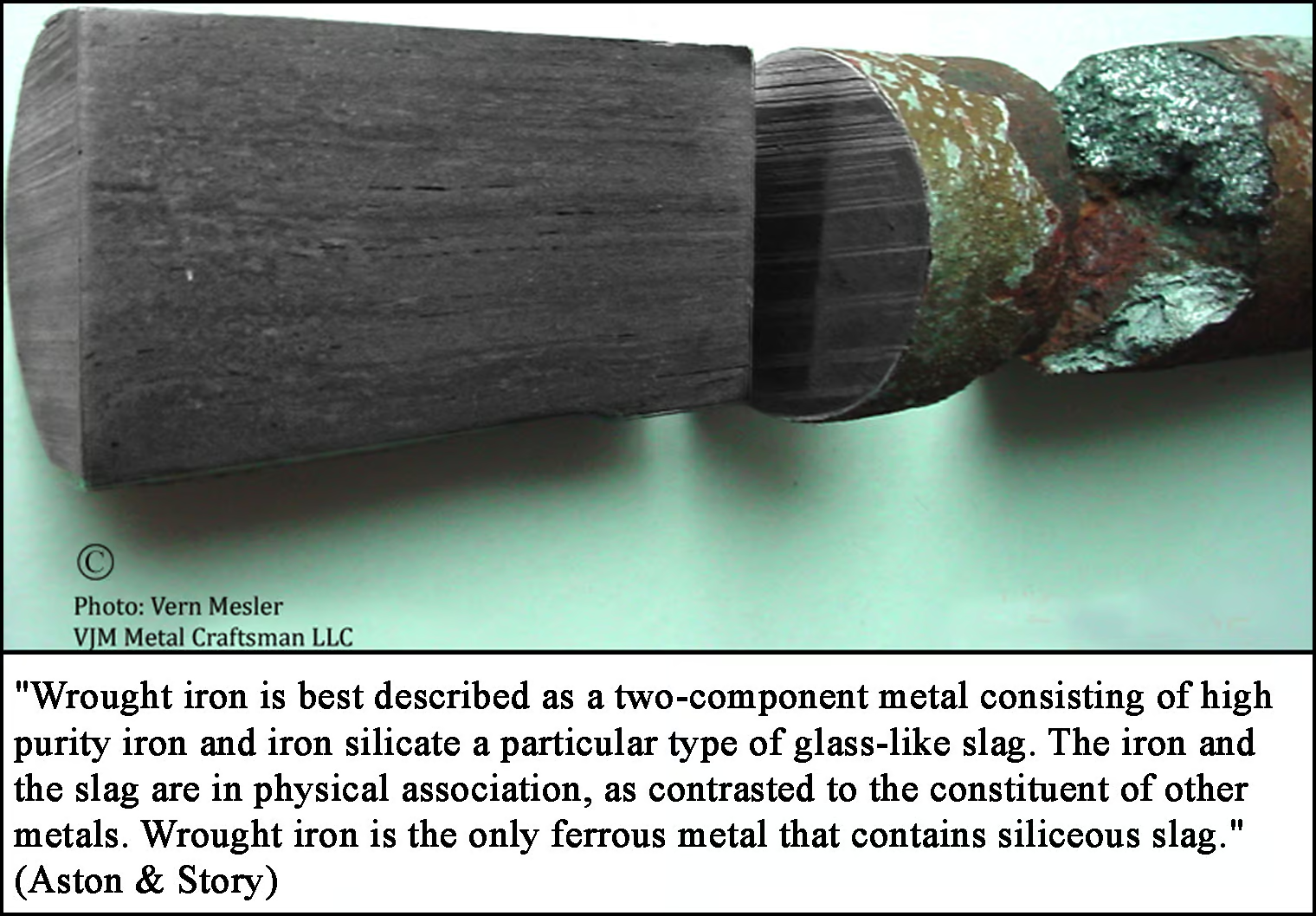
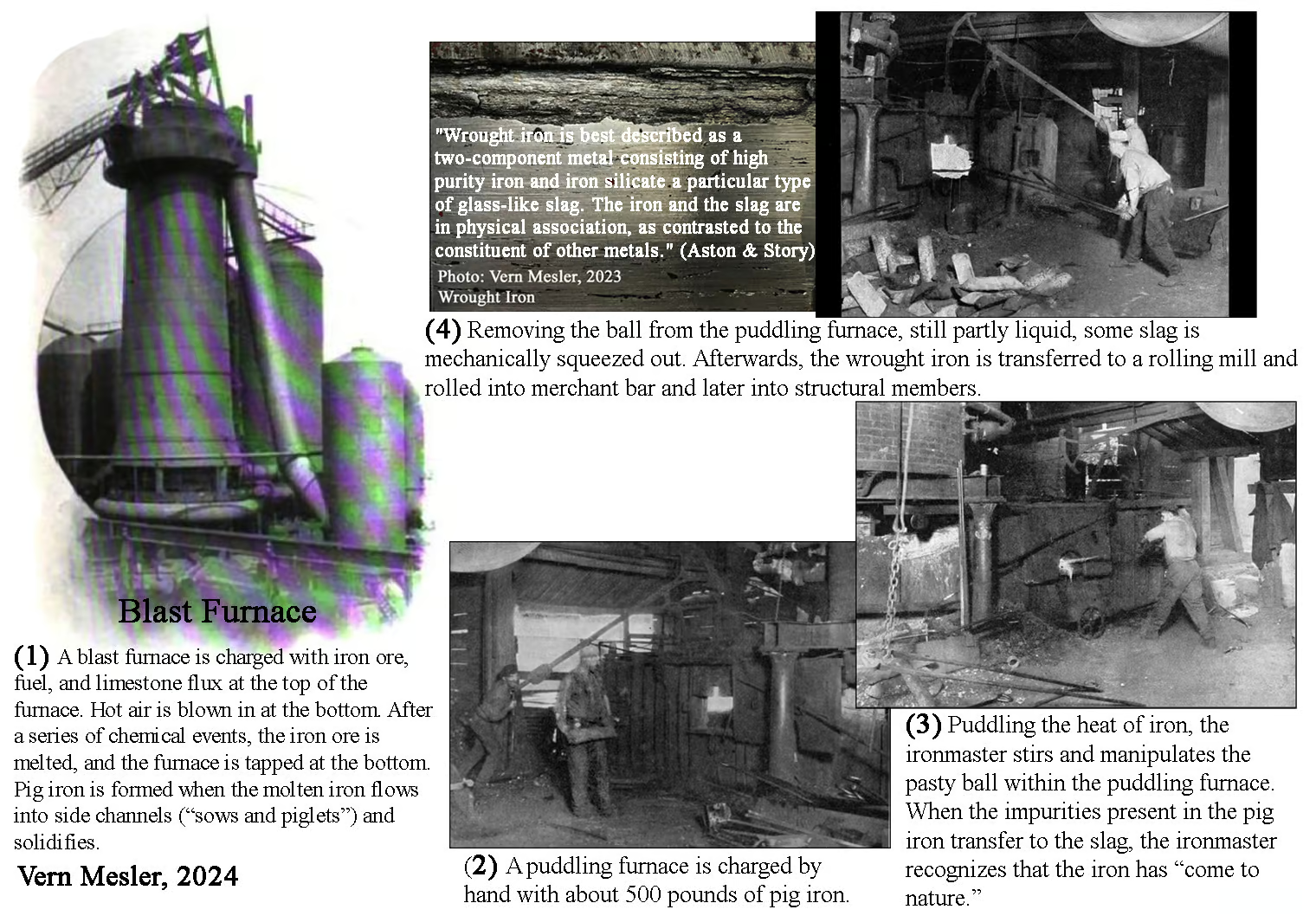
Although the material “wrought iron” is no longer made, for centuries it was commonplace, used in bridges, buildings, stream locomotive boilers, farm machinery and other applications where steel is used today. Wrought iron was hand-crafted in 200-to-400-pound batches by iron puddlers stoking pasty balls of pig iron in a puddling furnace. In 1929, A. M. Byers Co. broke ground for a new plant that would use the Aston process to produce wrought iron pipe and other products, and to make wrought iron in greater quantities than the iron puddlers. Byers invited Secretary of Labor James J. Davis, a former iron puddler, to speak at the groundbreaking ceremonies.
“Secretary Davis declared that the new process would mean increased production and the giving of employment to more men, cheapening the cost of iron so that more of it can be sold and used, and perhaps opening new industries for the working of iron into new products, with still further extension of new jobs to new men.” (Iron Age, February 14, 1929)
Wrought iron in the early twentieth century was still considered to have a future because of its unique qualities. As noted in the preface to the second edition of the A.M. Byers Company’s handbook (1939) Wrought Iron: Its Manufacture, Characteristics and Applications:
“During the past decade there has been a rapidly growing demand for wrought iron in many different products. This demand has been accompanied by a need for information on the qualities of the material and their application to present day problems.”
However, demand for wrought iron diminished, and by the 1960s wrought iron mills closed, their machinery was scrapped, and the knowledge of wrought iron quickly disappeared.
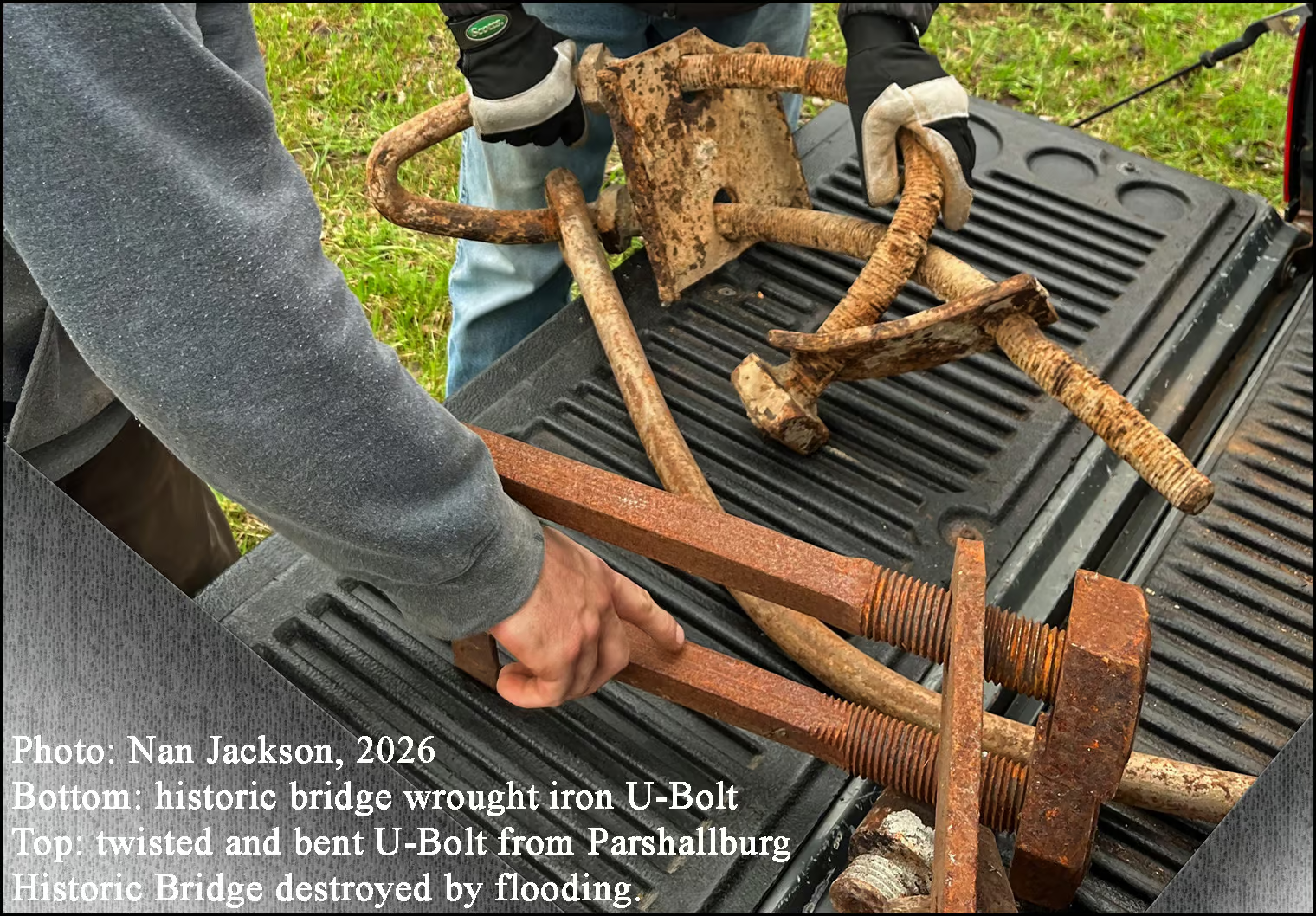
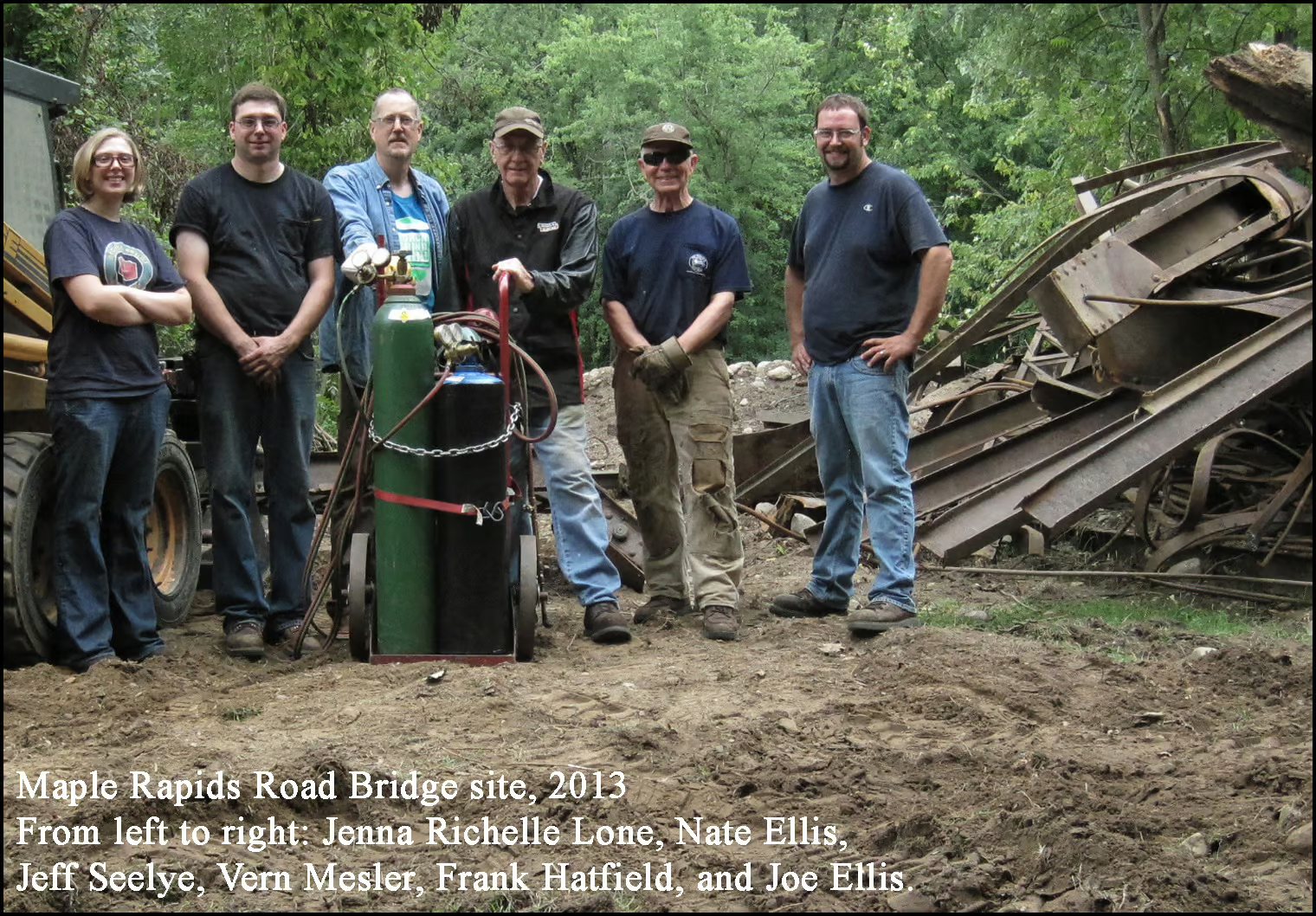
Wrought iron can be acquired, but it is often to the detriment of nineteenth or early twentieth century historic wrought iron bridges that have been neglected, scrapped, or replaced. There are craftsmen, blacksmiths, and artists who value wrought iron and are thrilled to obtain this material when it becomes available. When the nineteenth century Maple Rapids Road Bridge in Michigan, long abandoned and neglected, met its demise in a 2013 flooded Maple Rapids River, a volunteer group assembled at the site to reclaim its wrought iron.
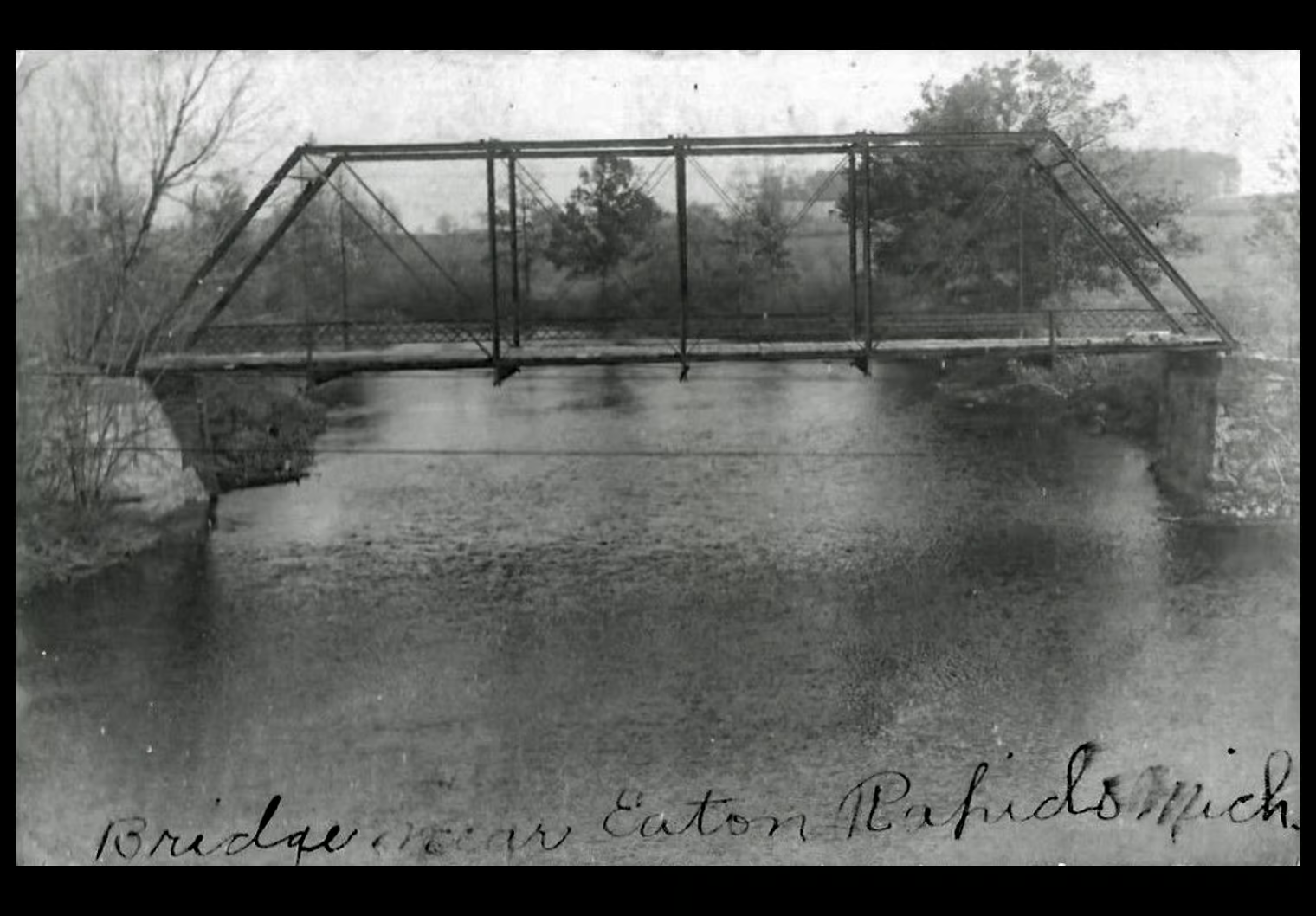
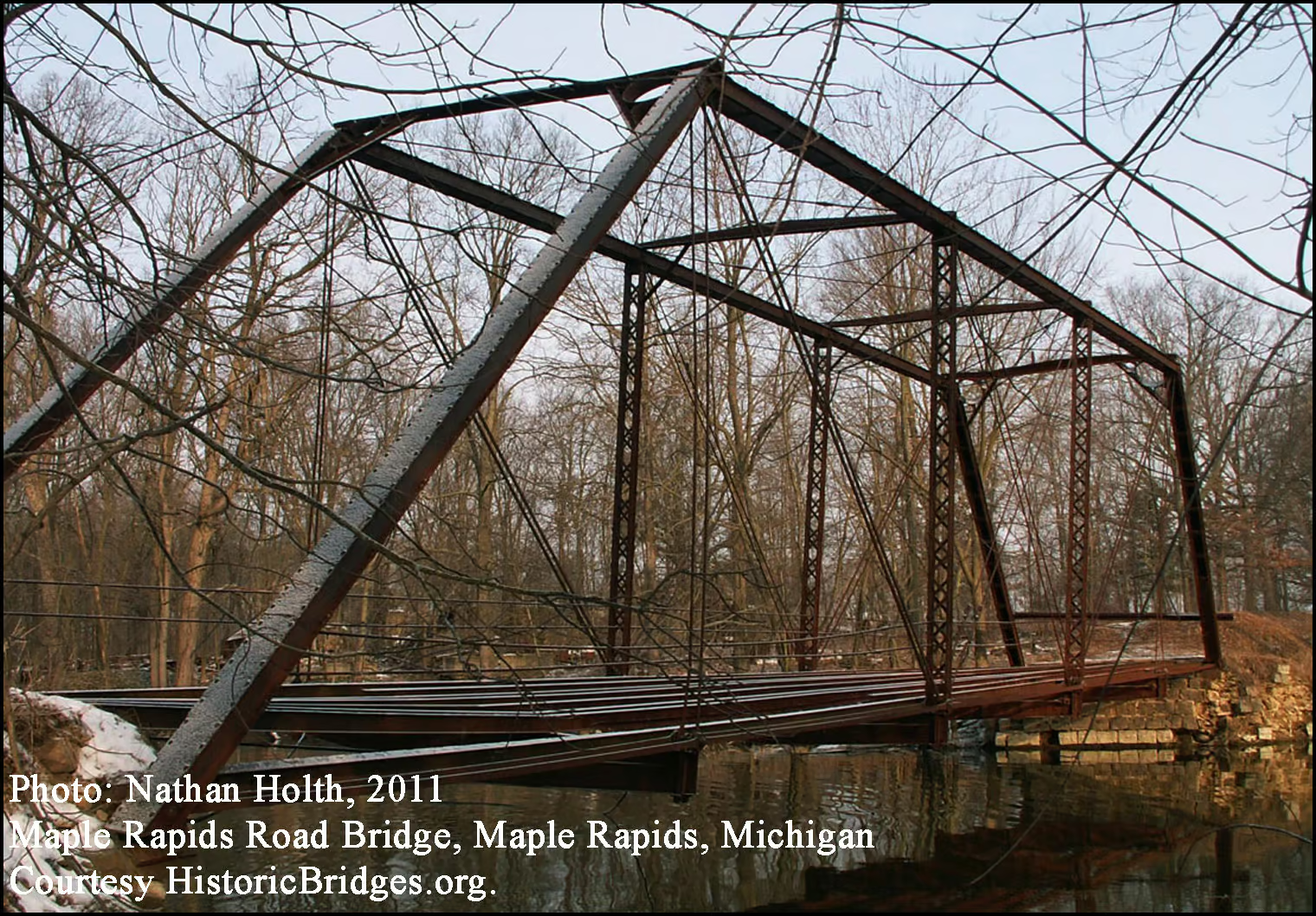
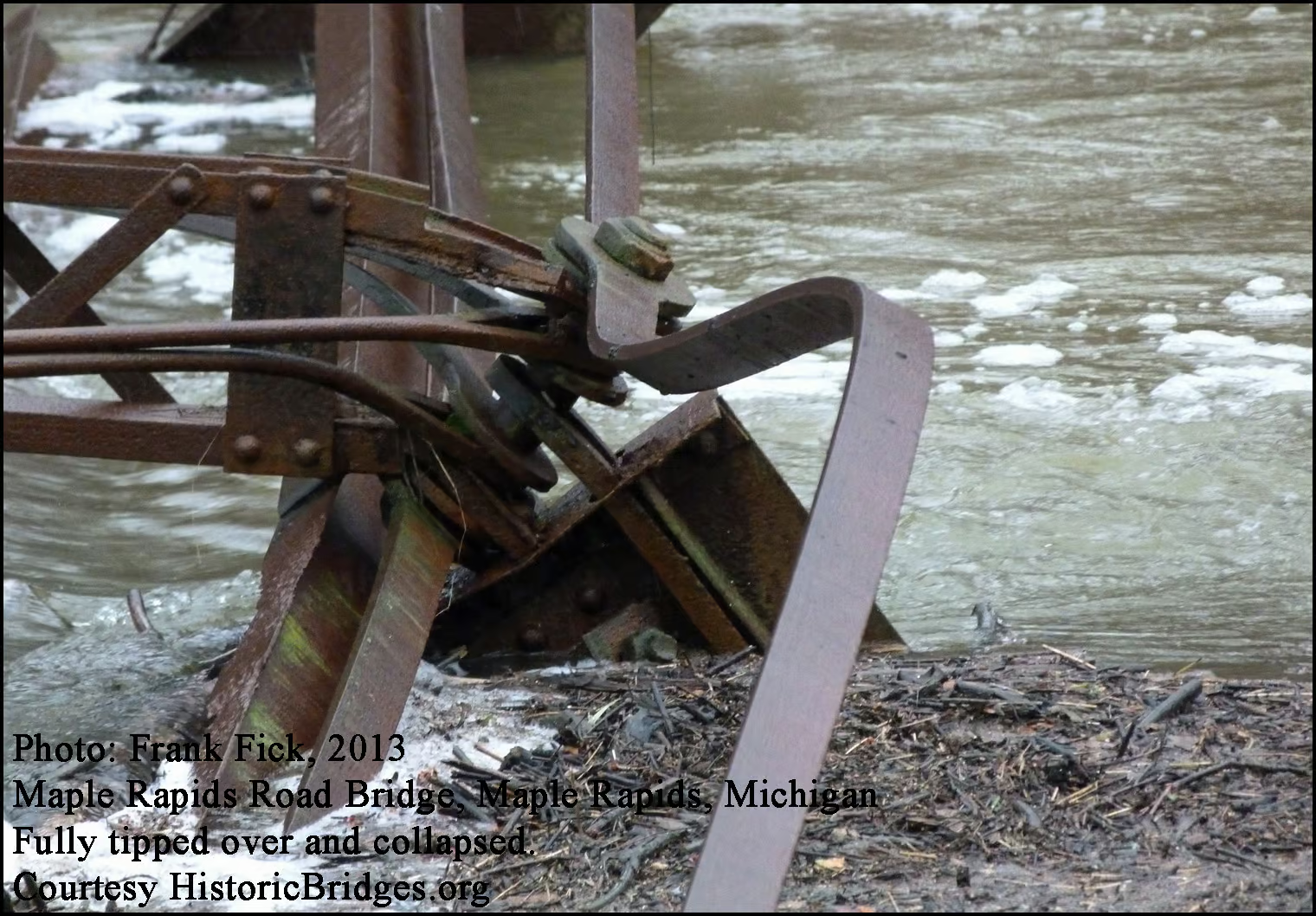
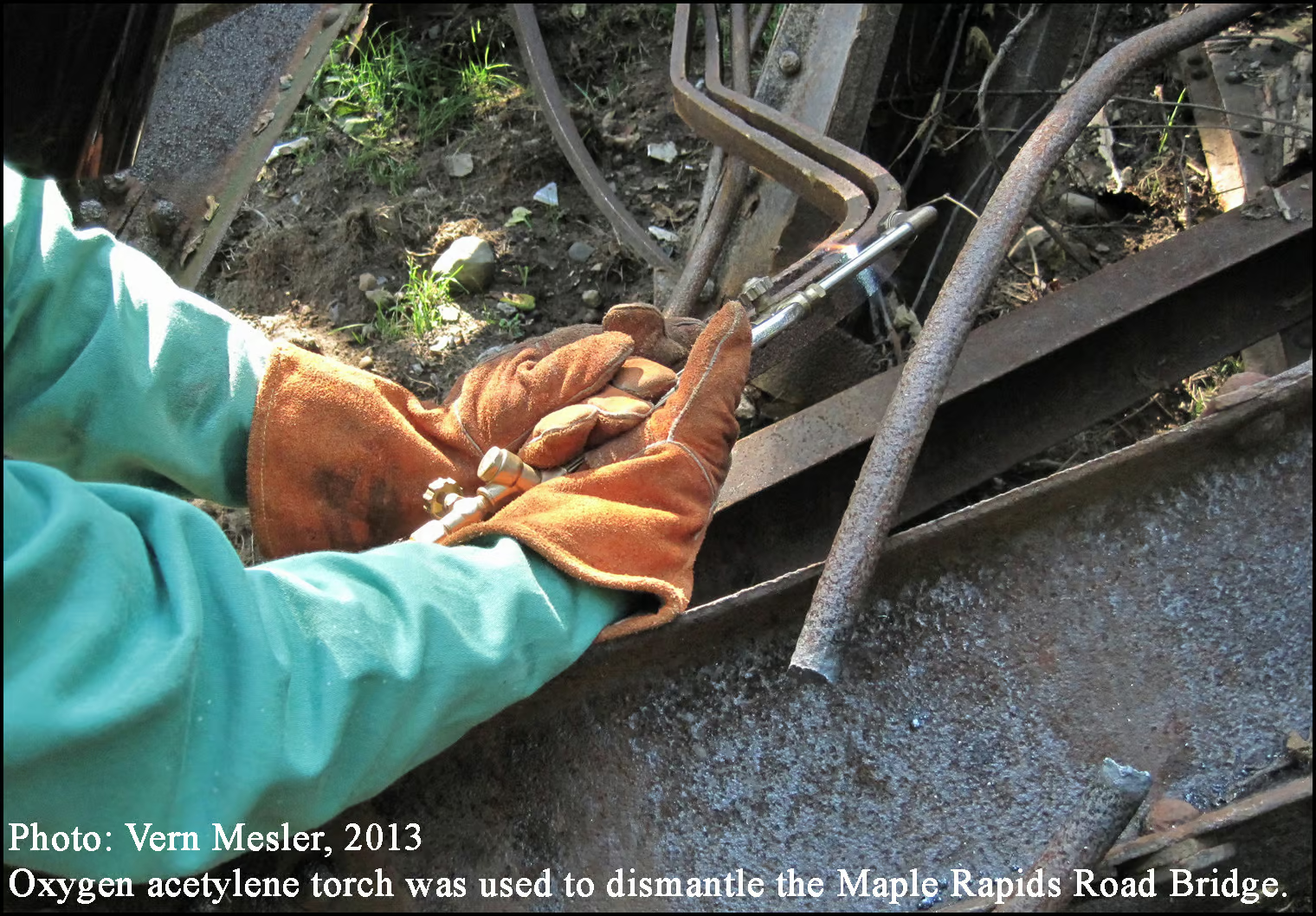
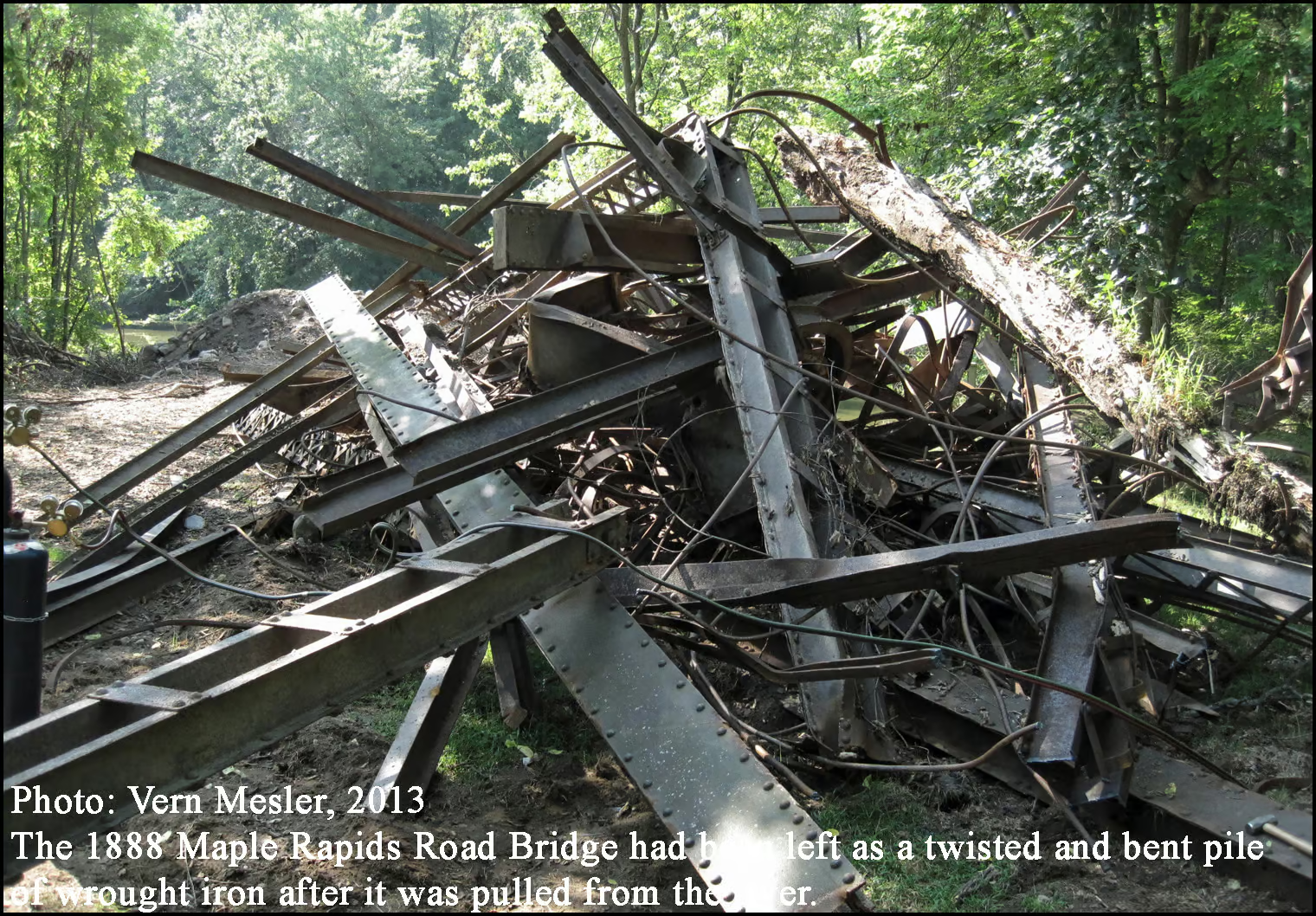
The bridge had been pulled from the river and, unfortunately, piled high in a twisted, bent heap. The volunteers, with an oxygen acetylene torch, sledgehammers and pry bars, dismantled and separated the bent and twisted wrought iron members. Nine tons were shipped to Ashley Salvage and sold for scrap, the proceeds funding educational scholarships. The remainder was stored at Nate Ellis’s farm outside Maple Rapids.
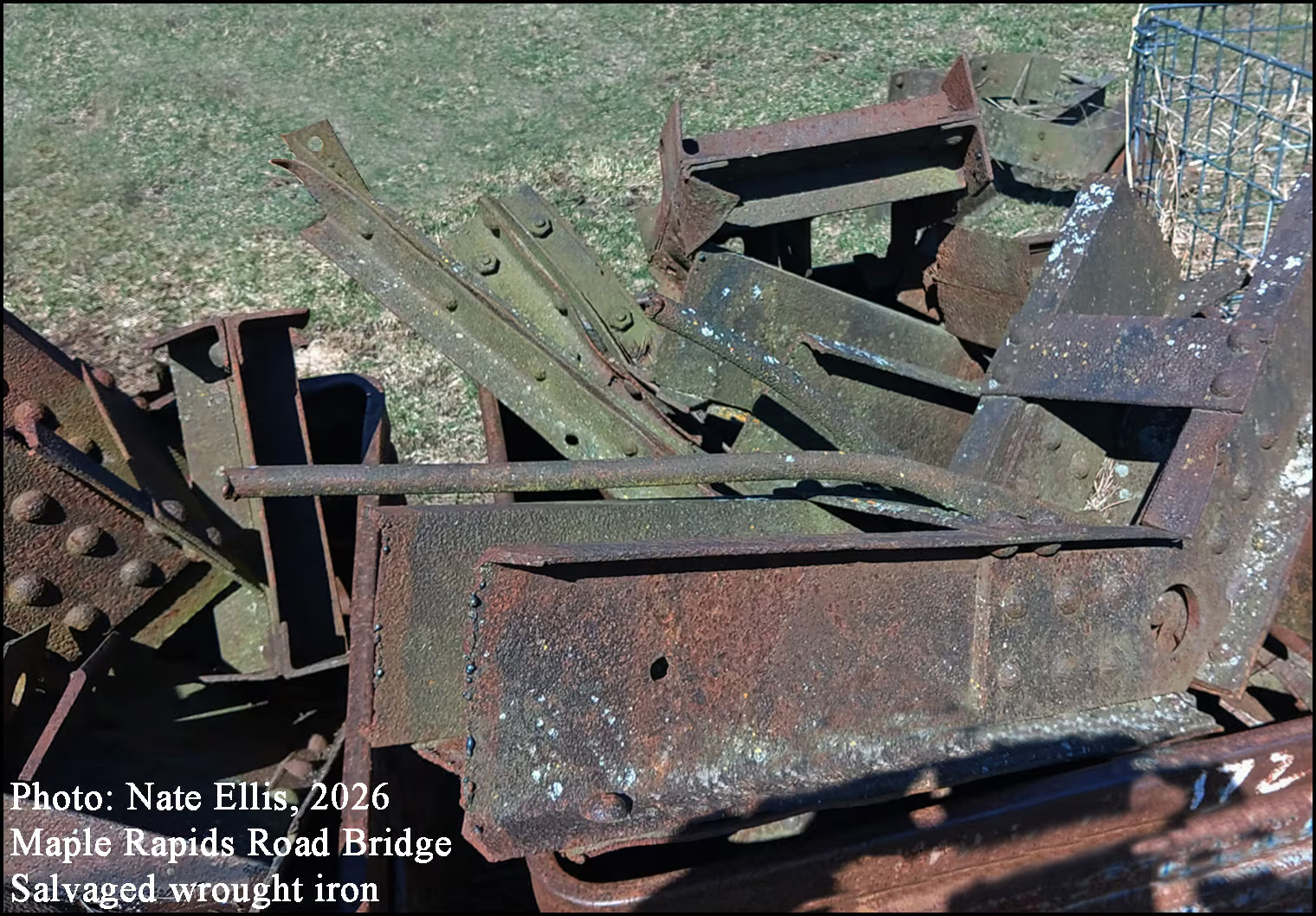
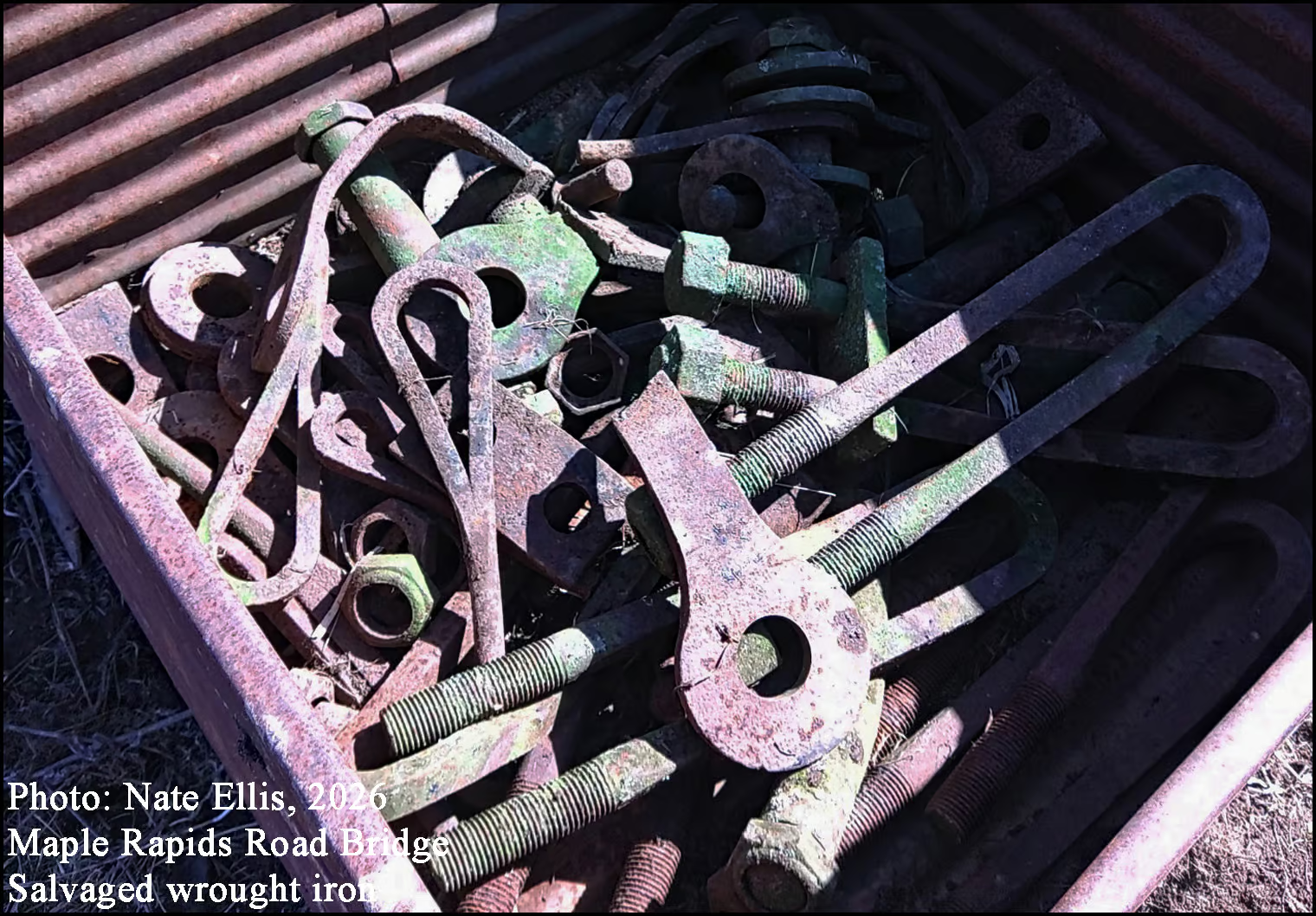
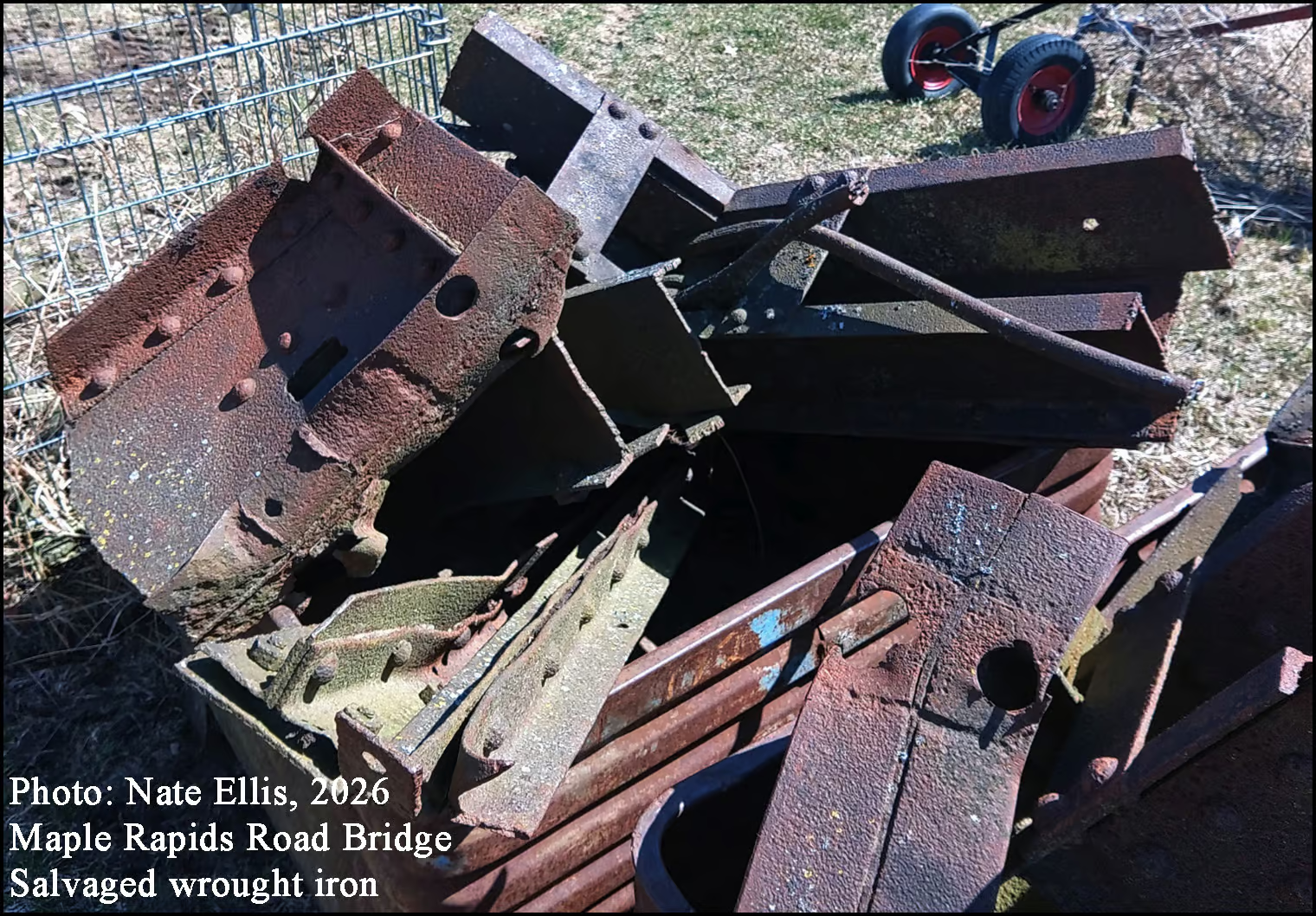
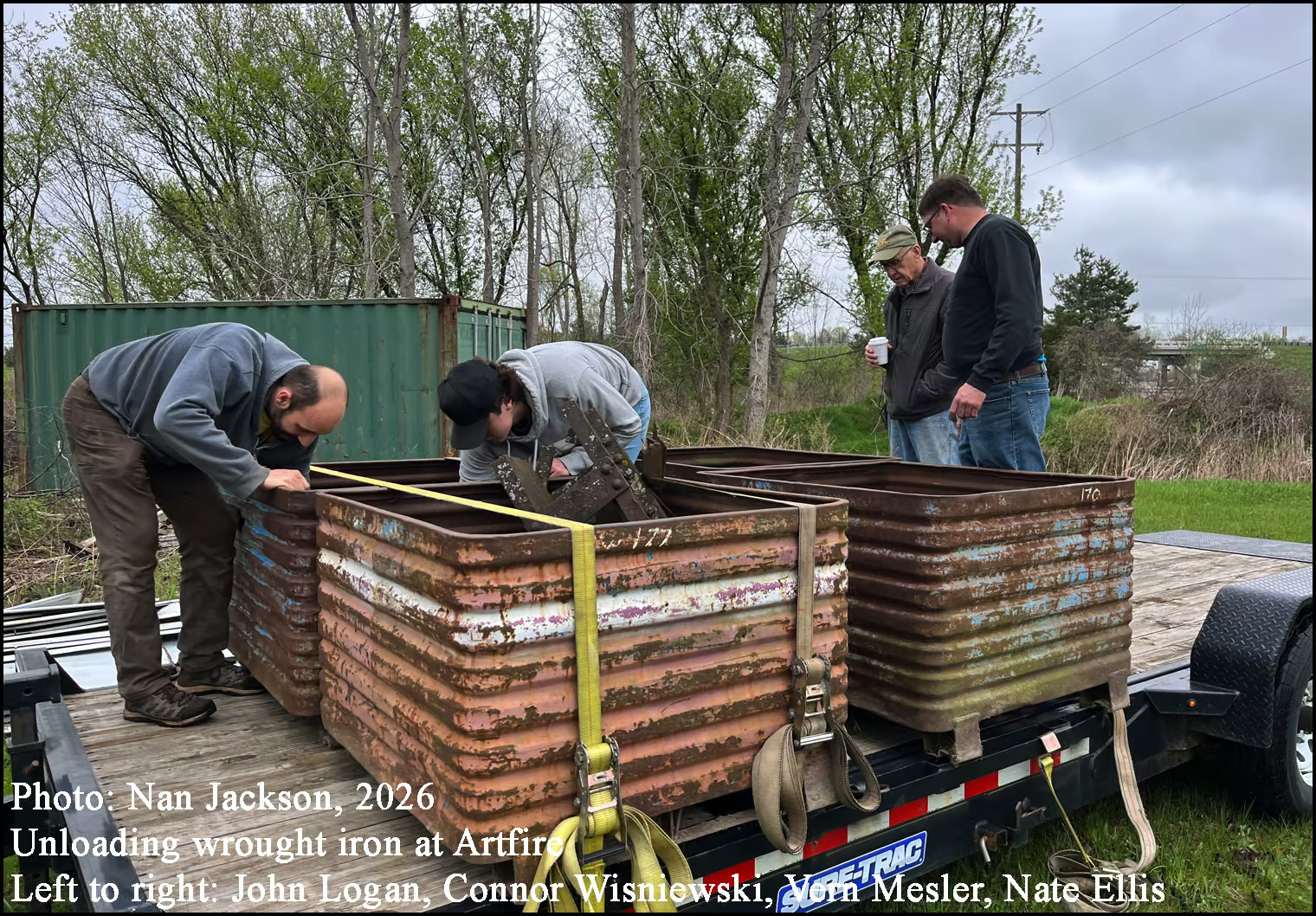
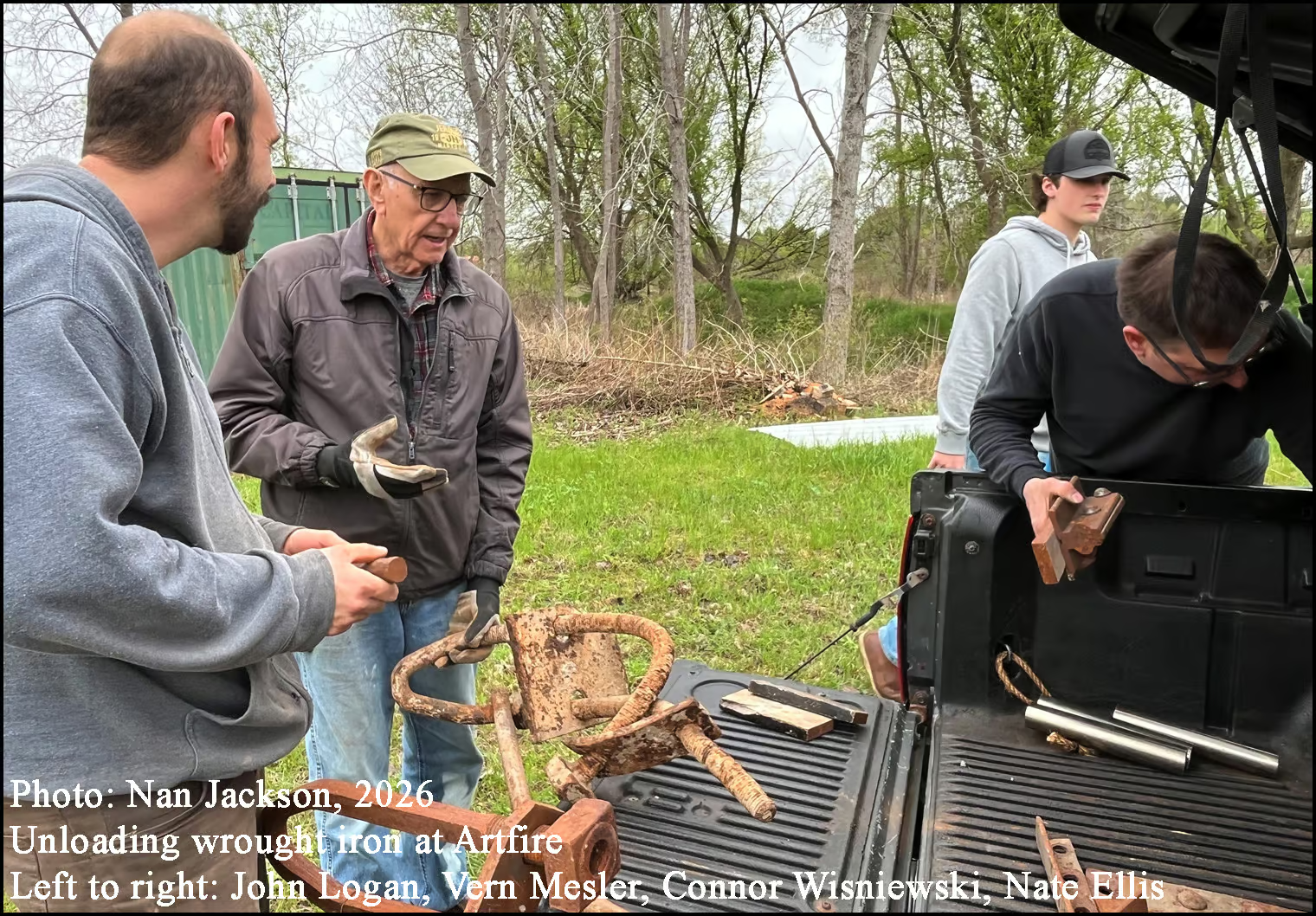
After years in storage at Ellis’s farm, the wrought iron salvaged from the Maple Rapids Road Bridge was accepted by John Logan, blacksmith and artist, for his metal arts studio “Artfire” in Leslie, Michigan. Ellis, along with Connor Wisniewski, delivered the wrought iron to Artfire in April 2026. Logan and his metal arts students will discover new dimensions in their education of metals and metal arts as they work with the wrought iron from the Maple Rapids Road Bridge.